


Today's Brief 28/08/2025
- Smriti IASxp

- Aug 28, 2025
- 2 min read
1 .The 15th India-Japan Annual Summit is scheduled to take place on August 29-30, 2025, in Tokyo.
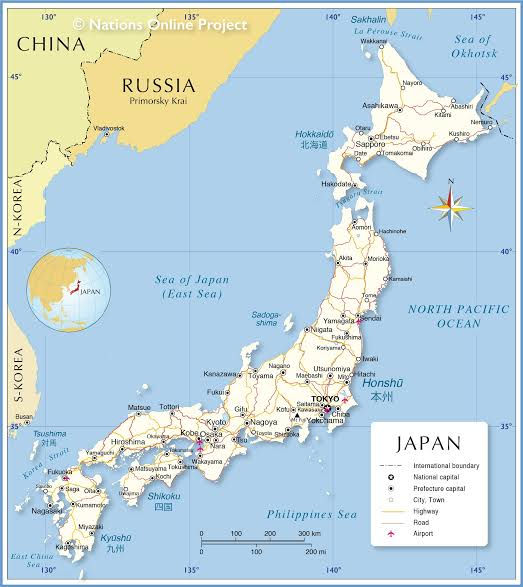
it is expected to review the "Special Strategic and Global Partnership" between the two nations, with discussions focusing on areas such as defense, security, trade, economy, technology, and innovation.
2 .Pradhan Mantri Jan Dhan Yojana PMJDY:
General Studies Paper-II (250 Marks) – Governance, Constitution, Polity, Social Justice and International Relations
Pradhan Mantri Jan Dhan Yojana (PMJDY) is a nationwide financial inclusion scheme launched by the Government of India in August 2014.
Its primary goal is to provide universal access to banking services for all citizens, particularly those from low-income and disadvantaged groups.
The scheme aims to bring the unbanked into the formal financial system by offering a basic savings bank account with a zero-balance facility. Key features include the provision of a RuPay debit card, which comes with an in-built accident insurance cover of ₹2 lakh for accounts opened after August 28, 2018.
Additionally, eligible account holders can access an overdraft facility of up to ₹10,000, and these accounts serve as a crucial platform for the direct transfer of government subsidies and benefits (DBT).
By offering these services, PMJDY not only promotes financial literacy but also acts as a gateway for individuals to access other social security schemes like the Pradhan Mantri Jeevan Jyoti Bima Yojana and Pradhan Mantri Suraksha Bima Yojana.
3 .UMEED Portal:
General Studies Paper-II (250 Marks) – Governance, Constitution, Polity, Social Justice and International Relations
The UMEED Portal, which stands for Unified Waqf Management, Empowerment, Efficiency, and Development, is a centralized digital platform launched by the Ministry of Minority Affairs in India.
Its primary purpose is to digitize and streamline the administration and management of Waqf properties across the country.
Launched on June 6, 2025, the portal aims to bring greater transparency, accountability, and efficiency to the management of these assets, which are lands or buildings donated for religious or charitable purposes under Islamic law.
A key feature of the portal is the creation of a digital inventory with geo-tagging of all Waqf properties, which is mandated for all such properties to be registered within six months of the portal's launch. The portal also includes an online grievance redressal system, allows for transparent leasing and usage tracking, and provides public access to verified records.
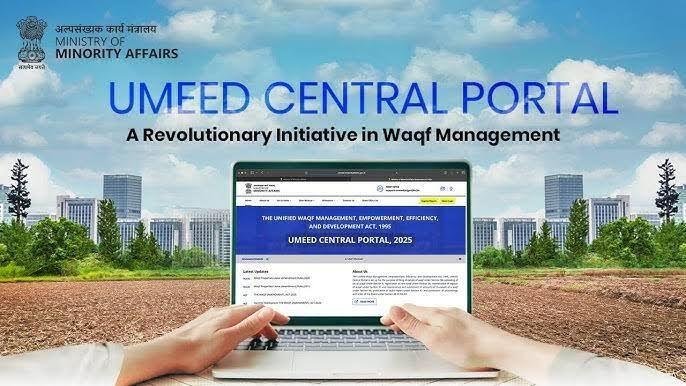
The UMEED Portal has been developed as a part of the Waqf (Amendment) Act, 2025, which aims to enhance government oversight and ensure that Waqf assets are utilized effectively and fairly for the welfare of the Muslim community, particularly for poor Muslims, women, and children.
Comments